
 DE
DE  EN
EN  FR
FR  ES
ES 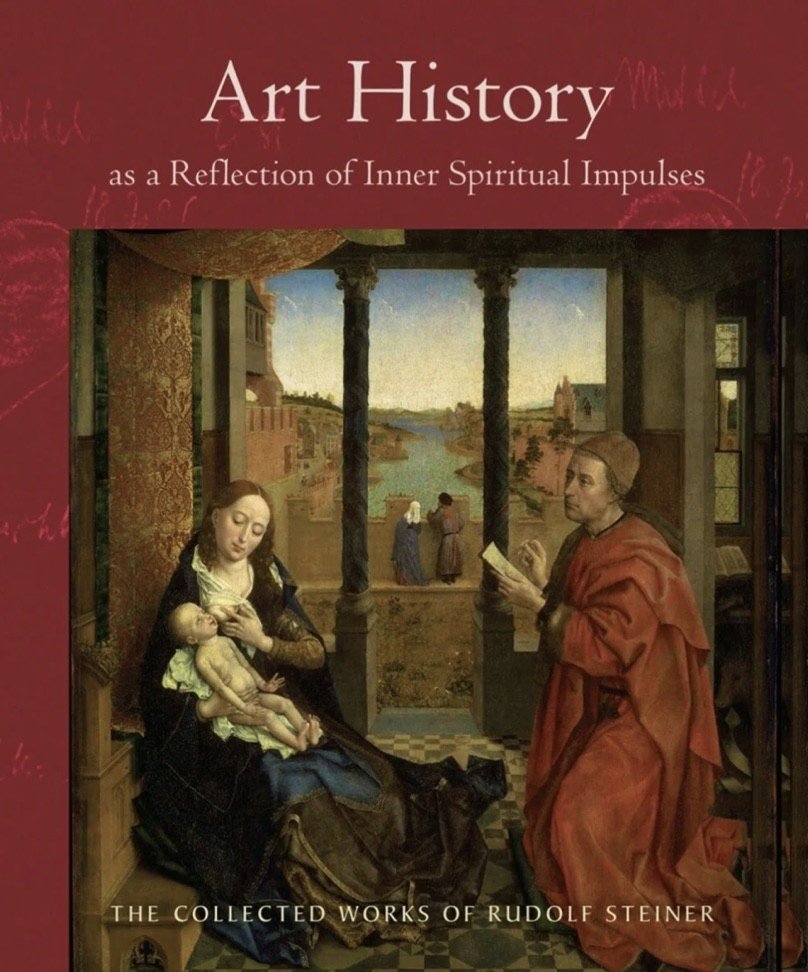
Braucht das Baby vielleicht etwas?
Rudolf Steiners “Erste Ansprache” / & Schritte zu einer Poesie des Erkennens
Liebe Freunde,
Obwohl ich diese Zusammenfassung vor vier Jahren, im Jahr 2022, nach einer Sektionssitzung, auf der wir Shakespeares Geburtstag feierten, geschrieben habe, sind die Informationen für unsere Sektionsarbeit aktuell, da wir uns im Jahr 2026 mit der italienischen Renaissance, dem Renaissance-Humanismus, der säkularen humanistischen Literaturtradition und Rudolf Steiners kunsthistorische Vorlesungen (GA 292) die 1916-1917 gegeben wurden. Unsere Sektion hat eine besondere Beziehung zu dem Thema Schönheit. Güte und Wahrheit. Ich weise gerne darauf hin, dass wir, wenn wir den Namen unserer Sektion wortwörtlich aus dem Deutschen übersetzen, “The Section for the Beautiful Sciences” heißen. In der englischsprachigen Welt haben wir den weniger geheimnisvollen Namen “The Section for the Literary Arts & Humanities”. Aber unser “Mysterienname” (Dharma-Name, wenn Sie so wollen) ist “Die Sektion für die schönen Wissenschaften”. Das ist der Name, den Rudolf Steiner uns gab, als wir zur Zeit der berühmten Weihnachtstagung im Schreinerei-Schuppen auf die Welt kamen. In jenem Moment des “Hallo, Welt!” rief Rudolf Steiner alle gegenwärtigen und zukünftigen Freunde und Mitglieder der Gesellschaft und der Sektion auf, “diesen Zweig der menschlichen Kreativität wieder zu beleben, der zum Schaden der Zivilisation in der Ecke liegen geblieben ist.”
Aber unser Name gibt ein großes Rätsel auf - und er verwirrt viele Menschen, wenn sie zum ersten Mal davon hören . . . und er bringt sogar einige Leute zum Widerspruch: “Wozu brauchen wir eine Sektion mit einem so unbeholfenen, altmodischen Namen? Wozu ist sie überhaupt gut?”
Aber wie jedes “Geheimnis” führt auch dieses Namensrätsel zu vielen Einsichten und Entdeckungen. Am wichtigsten ist vielleicht, dass es uns zu folgendem führt Raphael-Novalis.
Rudolf Steiner sprach gerne über Raphael-Novalis, wie wir alle wissen. Er hob hervor Raphael-Novalis in seiner letzten Ansprache, sehr zur Verwirrung und zum Leidwesen der Zuhörer. In Anlehnung an den Zeichen der Zeit, tuf unseren diesjährigen Sektionstreffen vertiefen wir unser Wissen über Raphael-Novalis (und damit das Geheimnis unseres Sektionsnamens), indem wir die “Raphael”-Seite von Raphael-Novalis aufgreifen. Dies führt uns zur Renaissance. Wir haben viele kurze Streifzüge in die Epoche der europäischen Renaissance unternommen in vergangene Treffen, aber dies könnte eine längere Expedition sein, die vielleicht längst überfällig ist.
Als Portal zu dieser Erkundung arbeiten wir mit Rudolf Steiners kunsthistorischen Vorlesungen. Dies mag für diejenigen, die sich an unsere langjährige Konzentration auf Poesie (kreatives Schreiben) und Literaturkritik (akademisches Material) gewöhnt haben, seltsam oder transgressiv erscheinen. Aber Kunstgeschichte und “Schönheit” sind sehr wohl die Anliegen unserer Sektionsarbeit. Die beiden vorangegangenen Konferenzen der Nordamerikanischen Sektion waren ebenfalls Beiträge zu diesem Weg unserer Sektionsforschung, den ich “Schritte auf dem Weg zu einer Poesie des Wissens” nenne.”
Klicken Sie hier, wenn Sie die Hauptvorträge der Konferenz hören möchten.
Klicken Sie hier, wenn Sie die Hauptvorträge der Konferenz lesen möchten.
“Künstler bringen das Göttliche nicht auf die Erde, indem sie es in die Welt einfließen lassen; sie erheben das Weltliche zum Göttlichen. Schönheit ist Schein, weil sie vor unseren Sinnen eine Realität heraufbeschwört, die als solche wie eine ideale Welt erscheint. Betrachte das Was, aber betrachte noch gründlicher das Wie, denn auf das Wie kommt es an. Das Was bleibt an die Sinneswahrnehmung gebunden, aber das Wie offenbart das Ideal.”
- Rudolf Steiner
“Die Verbindung mit dem Geist zerbricht, wenn sie nicht durch Schönheit aufrechterhalten wird. Die Schönheit bindet das ‘Ich’ an den Körper.”
- Rudolf Steiner
“. ... der Blick des Menschen wird auf diese Zeiten, auf diese künstlerische Entwicklung gerichtet sein; denn sie lässt uns so tief in das Leben und Wirken der Frömmigkeit, der Weisheit und der Liebe in der menschlichen Seele blicken, verbunden mit der künstlerischen Phantasie, die danach strebt, die Natur mit einem frischen und offenen Geist wiederzugeben. Sie liegt nicht in der bloßen Nachahmung der Natur, sondern in der Fähigkeit des Menschen, mit all dem, was er in seiner eigenen Seele gefunden hat, in der Natur wiederzuentdecken, was in ihr bereits vorhanden ist und mit den innersten Erfahrungen der menschlichen Seele übereinstimmt.”
- Rudolf Steiner, Schlussworte des ersten Vortrags im Vorlesungsreihe Kunstgeschichte (GA 292)
“Aber ist es Wirklich Seine Erste Adresse?”
Der Titel “Erste Ansprache” bezieht sich auf eine Aussage von Rudolf Steiners Biographen Christoph Lindenberg in Band 1 seiner zweibändigen Biographie, in der Lindenberg die Bedeutung dieses ersten öffentlichen Vortrags, den Rudolf Steiner uns zur Verfügung gestellt hat, hervorhebt. (“Es ist der erste überhaupt von Steiner überlieferte Vortrag.” Bd. 1, S. 161). Lindenberg kontextualisiert die Bedeutung dieses “ersten Vortrags” (1888) in Bezug auf die berühmtere “Letzte Rede” (1924).
Wenn wir Rudolf Steiner beim Wort nehmen, dass es seine Hauptaufgabe war, eine erneuerte Reinkarnations- und Karma-Lehre zu bringen, dann kommt dieser “Ersten Ansprache” von 1888 zum Thema Schönheit eine noch grössere Bedeutung zu - vor allem für eine Sektion, die sich auf Deutsch Sektion für die “schönen Wissenschaften” nennt. Wegen dieser Bedeutung füge ich noch ein paar Informationen hinzu. Ich zitiere Lindenberg:
Nach dem Vortrag [Goethe als Begründer einer neuen Wissenschaft der Ästhetik] trat der Zisterzienser-Professor Neumann an Steiner heran und machte eine Bemerkung, "die nicht anders verstanden werden konnte, als dass der Mann in diesem Augenblick ein volles Verständnis für einen Menschen der Gegenwart und für die Beziehung dieses Menschen der Gegenwart zu seiner früheren Inkarnation hatte. Und was er über die Verbindung zweier irdischer Leben sagte, das war richtig, war nicht falsch." [Wie Steiner später gegenüber [Friedrich] Ritellmeyer berichtete, wurde ihm sein früheres Erdenleben wie von außen her bewusst.
Es ist daher anzunehmen, dass Rudolf Steiner insbesondere an dem Hauptgedanken dieses Vortrags [Goethe als Begründer einer neuen Wissenschaft der Ästhetik] zu erkennen ist. Und in der Tat ist der Gedanke dieses Vortrages, dass alle künstlerischen Schöpfungen von der Wirklichkeit ausgehen und dass diese Wirklichkeit dann so bearbeitet wird, dass sie ideal erscheint, ein wichtiges Lebensprinzip von Rudolf Steiner. Er lebte im Erfassen der Aufgaben, die ihm die Wirklichkeit stellte. Diesem Prinzip begegnet man besonders im sozialen Handeln. Er geht immer von den Menschen aus, mit denen er in der Wirklichkeit zu tun hat. Immer wieder geht er von den Fragen aus, die andere ihm stellen. Er geht auf andere ein; ob das nun Berliner Arbeiter oder Theosophen sind, ist ihm nicht so wichtig. Vor allem aber versucht er, die Menschen zu fördern und sie so zu gruppieren, dass das Reale endlich einen geistigen Glanz erhält und ideal zu erscheinen beginnt. Viele seiner Schüler hat er über sich hinausgehoben, indem er ihnen Vertrauen schenkte und Arbeitsmöglichkeiten eröffnete.
- Christoph Lindenberg, aus Rudolf Steiner, Eine Biographie, Bd. 1, S. 161-62

Alternativ könnte man aber auch argumentieren, dass die erste "anthroposophische" Rede eher der Vortrag über Goethes Märchen von den grünen Schlangen und der schönen Lilie die Steiner zu Michaeli 1900 vor Theosophen hielt. Wie wir wissen, nannte Steiner Goethes Märchen als “Keimzelle der anthroposophischen Bewegung”.”
Aber ob man sich nun sozusagen nach rechts oder nach links wendet, da steht Goethe! Und am Ende des Ganzen, in der letzten Adresse, steht Novalis!
Und mit Novalis, Raphael.
Was werden wir mit Raphael-Novalis entdecken? Wenn die Ursachen und Bedingungen günstig sind, werden wir es herausfinden!
“Wer bin ich?”
"Wir haben das Glück, in der Anthroposophischen Gesellschaft einen großartigen Vertreter der schönen Wissenschaften unter uns zu haben: Albert Steffen. Er ist nicht nur berufen, die Sektion für die schönen Wissenschaften zu leiten, sondern auch diesen Zweig der menschlichen Kreativität wieder zu beleben, der zum Schaden der Zivilisation in die Ecke gestellt worden ist."
- Rudolf Steiner; zitiert von Heinz Matile in "Albert Steffen und die schönen Wissenschaften" im Jahrbuch für Literatur und Geisteswissenschaften 2002
Original 22. April 2002
Überarbeitet am 1. März 2026